For many people, substance use doesn’t begin with a party or a bad decision. It begins with pain. Unresolved trauma—especially when combined with the harms of incarceration—can create a cycle that’s hard to see from the inside and even harder to break from the outside. At ENSO Recovery, we meet people at every point in that cycle. This post explains how trauma, incarceration, and substance use disorder (SUD) feed into one another, and what actually helps people heal.
How Trauma Sets the Stage
“Trauma” isn’t only a single extreme event. It can be chronic exposure to adversity—childhood abuse or neglect, intimate partner violence, racialized stress, homelessness, medical crises, or community violence. The nervous system adapts to survive, not to feel good. Over time, those adaptations can look like hypervigilance, nightmares, anxiety, depression, and difficulty trusting others.
Substances often enter the picture as practical solutions to unbearable feelings: alcohol to sleep, opioids to numb, stimulants to power through, cannabis to soften the edges. In the short term, they work. In the long term, they shift the brain’s stress and reward systems in ways that increase craving and reduce resilience. Without a safer replacement for relief, returning to use makes sense—because it worked before.
When Trauma Meets the Criminal Legal System
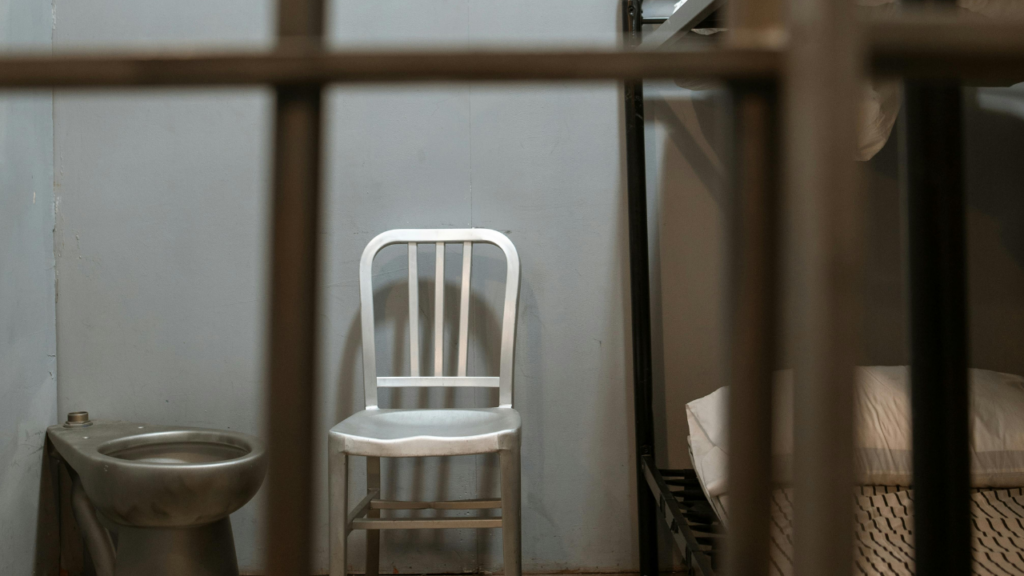
People living with untreated trauma and SUD are more likely to cross paths with the criminal legal system—not because they are “bad people,” but because the symptoms of both conditions increase risk for survival-driven behavior (like possession, shoplifting, or parole violations) and because treatment access is often scarce. Once inside, incarceration itself becomes traumatic:
- Loss of autonomy and predictability intensifies anxiety and reactivity.
- Isolation and separation from children, partners, and community amplifies grief and shame.
- Withdrawal without adequate medical care can be physically dangerous and emotionally scarring.
- Stigma and labeling (“addict,” “felon”) can harden into identity, making help feel out of reach.
For people who entered with earlier trauma, incarceration layers fresh wounds on old ones. The nervous system becomes even more keyed to threat. Without trauma-informed care and medications for opioid or alcohol use disorder, many people leave custody with more pain—and fewer resources—than when they went in.
The Reentry Cliff
Release is supposed to be freedom, but the first weeks out are among the most dangerous times of a person’s life with SUD. Tolerance has dropped. Stress skyrockets. Housing, ID, employment, transportation, child custody, and court requirements hit all at once. Old neighborhoods and old contacts can reignite cravings. The risk of overdose and relapse surges—not because people don’t care, but because biology and life pressure collide.
What turns that cliff into a bridge? Continuity of care: starting medications while incarcerated and continuing seamlessly in the community; a warm handoff to outpatient counseling; help with housing and basic needs; and someone—ideally a peer in recovery—who checks in and says, “You’re not doing this alone.”
Why “Toughing It Out” Doesn’t Work
Well-intentioned but outdated approaches still surface: “Just say no,” “white-knuckle it,” or “30 days and done.” If trauma is the engine, abstinence alone is not the brake. Without addressing the nervous system, beliefs, environment, and relationships that got hooked into substance use in the first place, the same triggers will produce the same outcomes. Lasting recovery requires safety plus skills, medicine when appropriate, and community.
What Helps: Evidence-Based, Trauma-Informed Care
A trauma-informed approach doesn’t ask, “What’s wrong with you?” It asks, “What happened, and what helped you survive?” Here’s what that looks like in practice:
1) Medications for Opioid and Alcohol Use Disorder (MOUD/MAUD)
Buprenorphine, methadone, naltrexone, and medications for alcohol use disorder reduce cravings and protect against overdose or heavy drinking. They stabilize the body so the mind can heal. Starting these medications in jail or prison and continuing after release saves lives.
2) Therapies That Target Both Trauma and Substance Use
- Cognitive Behavioral Therapy (CBT) to identify triggers, interrupt “all-or-nothing” thinking, and build coping plans.
- Dialectical Behavior Therapy (DBT) to strengthen emotion regulation, distress tolerance, and interpersonal skills.
- Trauma-focused therapies—like EMDR or trauma-focused CBT—delivered when a person is clinically ready, not during acute withdrawal or crisis.
- Contingency management for stimulant use disorder to reinforce positive behaviors in real time.
3) Peer Support and Recovery Community
Peers who have “been there” offer credibility and hope that professionals can’t manufacture. Recovery coaching, mutual-aid groups, and alumni communities reduce isolation and build accountability.
4) Case Management That Solves Real-Life Problems
IDs, transportation, court dates, childcare, job searches, and housing applications are not “ancillary”—they are treatment. Each resolved barrier lowers stress and reduces the pull back to old patterns.
5) Safety, Dignity, and Choice
People heal in environments where they are respected, not judged; where informed consent is honored; and where cultural humility is the norm. That includes transgender-affirming care, language access, and attention to historical and racial trauma.
Special Considerations for People Who’ve Been Incarcerated
- Plan before release. The best reentry starts inside: medication induction, therapy, relapse-prevention planning, and a scheduled appointment within days of release.
- Warm handoffs beat cold referrals. An actual introduction (phone or in person) to the outpatient team reduces no-shows.
- Overdose prevention is essential. Everyone leaving custody should have naloxone, know how to use it, and understand lowered tolerance.
- Family engagement helps. Loved ones benefit from coaching on boundaries, communication, and what support looks like beyond “tough love.”
- Employment with support. Transitional or recovery-friendly workplaces offer structure and dignity while people learn to juggle work and wellness.
How ENSO Recovery Can Help
ENSO Recovery provides trauma-informed, evidence-based treatment for substance use disorders and co-occurring mental health conditions. Our teams understand the realities of incarceration and reentry, and we work to remove barriers—linking people to medications, therapy, peer support, and practical resources that make stability possible. Whether you’re seeking help for yourself or for someone coming home from jail or prison, we’ll meet you with respect, not judgment.
Here’s what care with us can include:
- Medication options (when clinically appropriate) to reduce cravings and protect against overdose
- Individual and group counseling that addresses trauma and substance use together
- Peer recovery support to walk alongside you between appointments
- Case management for housing, benefits, IDs, court coordination, and transportation
- Family engagement to strengthen the support system around you
If you’re connected to a correctional facility, probation, or a public defender’s office and want to build a warm handoff for someone in your care, we’re glad to coordinate.
A Practical Starting Plan (If You’re Not Sure What to Do Next)
- Schedule an intake. Even a brief call can map out immediate next steps.
- Ask about medication. If opioids or alcohol are involved, discuss options that fit your goals.
- Build a safety net. Get naloxone, identify two people you can contact daily, and set up transportation.
- Name your triggers. Write down the top three people/places/feelings that pull you back and one alternative for each.
- Keep it simple. Sleep, food, water, and movement are not luxuries; they’re relapse-prevention.
Getting Help
Trauma doesn’t make anyone “broken.” It shows that your body and mind learned to survive very hard things. Incarceration often adds new injuries to old ones, and substance use can become the most available relief in a world that feels unrelenting. Recovery begins when relief becomes safer: medications that steady the system, therapy that reduces pain rather than avoiding it, peers who’ve walked the same road, and practical help that puts life back together.
If you or someone you love is caught in the loop of trauma, incarceration, and substance use, you’re not alone—and you don’t have to figure it out by yourself. Reach out. We’re here to help.