Substance use and blood pressure track each other closely, which matters at every stage of addiction treatment and recovery. At Enso Recovery’s Augusta and Sanford clinics, cardiovascular health is part of how we look after clients in outpatient care and medication-assisted treatment.
How Different Substances Affect Blood Pressure
Each class of substance hits the cardiovascular system in its own way. Stimulants like cocaine and methamphetamine push blood pressure up by constricting blood vessels and speeding the heart, which is why the National Heart, Lung, and Blood Institute names them among the causes of high blood pressure. According to the National Institute on Drug Abuse, cocaine raises heart rate and blood pressure while narrowing blood vessels, and it’s linked to heart attack, irregular rhythms, and stroke, sometimes on a first use.
Alcohol works on the heart from a different direction. Drinking regularly raises blood pressure over time, and the American Heart Association notes that even one drink a day is tied to higher readings. Nicotine causes a fast, temporary spike. The American Heart Association explains in How Smoking and Nicotine Damage Your Body that it lifts blood pressure and heart rate while narrowing and hardening the arteries.
Opioids tend to do the opposite in the short term. They can lower blood pressure and slow the heart, and during an overdose that drop, paired with slowed breathing, is part of what makes opioids so dangerous. These effects add up. Long-running substance use strains the heart and blood vessels, raises stroke risk, and can damage other organs, which is why blood pressure is worth watching during treatment and recovery.
Blood Pressure Monitoring in Outpatient Recovery
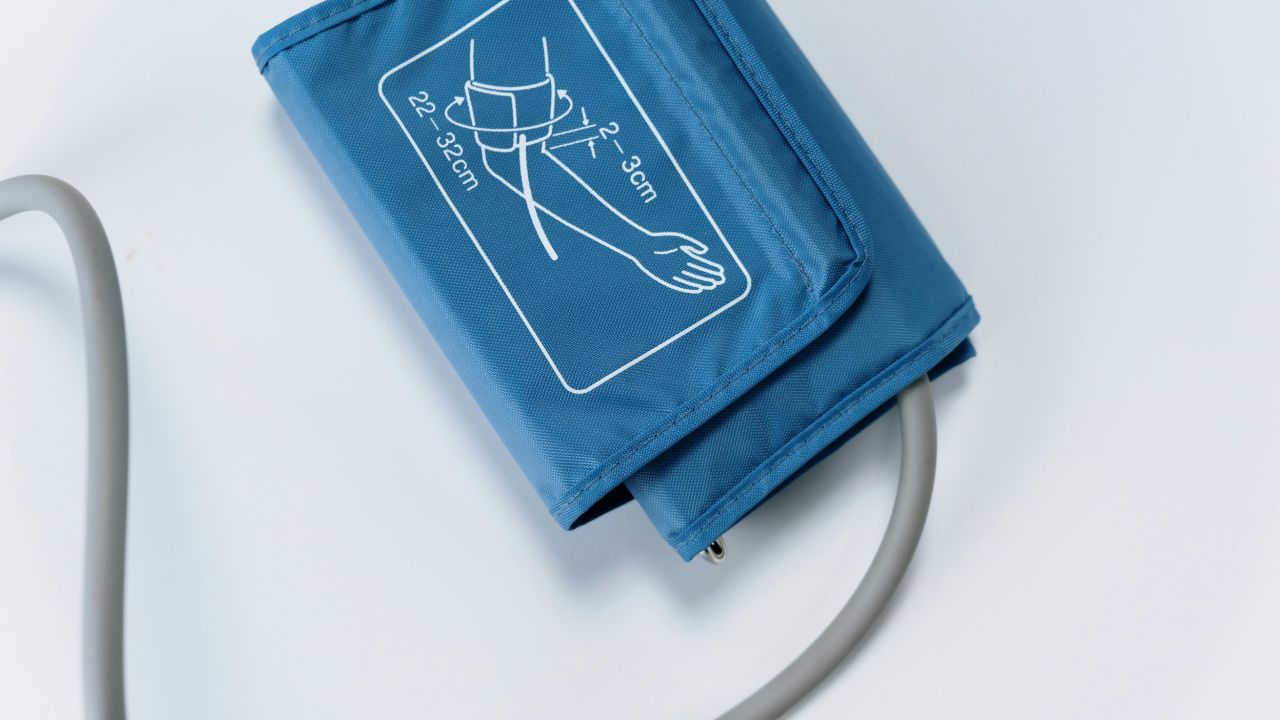
Early recovery calls for close attention to blood pressure. Enso is an outpatient program, so if you need medical detox we connect you with a detox provider and pick your care back up the next day. Once you’re with us, our clinical team checks blood pressure and other vital signs as part of routine visits, flags anything that looks off, and coordinates with your other providers so problems get caught early.
As you stabilize, monitoring continues but usually spaces out based on your needs. Regular checks track how you’re improving and help guide decisions about medication-assisted treatment and the lifestyle changes that support blood pressure control.
The Stress Connection
Stress ties addiction and blood pressure together. Stress can raise blood pressure and drive substance use, and substance use feeds more stress, so the loop keeps turning. Seeing that pattern makes it easier to build coping strategies that hold up.
Our program works stress management into therapy. Clients pick up practical coping and stress-reduction skills that support both recovery and heart health, which helps break the stress-and-use cycle.

Lifestyle Support for Cardiovascular Health
Enso’s programs pair regular health monitoring with support for building heart-healthy habits. Our team keeps an eye on your numbers while helping you make changes that steady both recovery and blood pressure.
Treatment plans fold in exercise guidance, nutrition support, and better sleep. These changes help settle blood pressure and back up your recovery goals, and we work with each client to make the habits stick.
Ongoing Clinical Oversight
Our clinical staff keeps track of blood pressure and other health markers throughout treatment. That oversight guides medication decisions and treatment adjustments, and it lets us spot concerns and act early.
When it makes sense, the team coordinates with your primary care doctor, cardiologist, or a detox provider so your medical care stays connected. That way we’re addressing addiction and related health concerns together instead of in silos.
Education and Prevention
Knowing how substance use and heart health connect gives recovery a real footing. Our program includes education on those links and on keeping blood pressure in a healthy range. Clients learn to read warning signs and take charge of their own health.
Prevention comes down to steady habits: managing stress, staying active, eating well, and keeping up with regular medical care.
Long-Term Health Management
Lasting health takes ongoing attention to blood pressure and overall wellness. Our program helps clients build sustainable practices that support recovery and cardiovascular health at the same time, which tends to improve results in both.
If you’re worried about blood pressure during recovery, Enso Recovery offers outpatient support and monitoring across central and southern Maine. Call us at (207) 245-1800 to talk through our treatment programs and how we look after physical health in recovery.
Ready to take the next step? Enso Recovery provides outpatient and medication-assisted treatment across Maine, with locations in Augusta and Sanford. Get started with our team to talk through your options and verify your coverage.
Crisis and Emergency Resources
If you or someone you know is in a substance use or mental health crisis, help is available now. Contact the SAMHSA National Helpline at 1-800-662-HELP (4357) for free, confidential treatment referrals 24/7. Reach the 988 Suicide and Crisis Lifeline by calling or texting 988. The Crisis Text Line is available by texting HOME to 741741. For emergencies, call 911.