Mental health treatment for depression, anxiety, ADHD, PTSD, and trauma.
Depression, anxiety, ADHD, and trauma do not require an addiction story to qualify for treatment. They require clinical care. At Enso, our medical team prescribes and manages medications, our licensed therapists run weekly counseling, and if substance use is part of the picture the same team handles that side too. One chart, one prescriber, no separate referrals.

You don’t need an addiction story to be a client at Enso.
Many of our clients are in addiction treatment. That’s not the full picture at Enso. Our prescribers and licensed therapists are trained for primary mental health care, and that’s what many of the people who walk in need. Depression, anxiety, ADHD, PTSD, and trauma are clinical conditions in their own right, and they get treated as such here.
If substance use isn’t part of your story, it isn’t part of your plan. If you do struggle with co-occurring disorders (SUD and mental health), the same team can handle both.
If you’re looking for primary mental health care, the intake process is the same: call, get assessed by a medical provider within 24 hours, build a plan with the team. No referral required. MaineCare, Medicare, private insurance, and uninsured paths all accepted.
Treatment that doesn’t bounce you between providers.
Mental health care at Enso consists of two things working together: medications prescribed and monitored by our medical team for the brain-chemistry side, and weekly individual counseling with a licensed therapist for the pattern-and-behavior side. Both happen in the same building, under the same chart, in coordination, not as separate referrals to providers who never speak.
The medical team prescribes a full range of psychiatric medications. SSRIs, SNRIs, and atypical antidepressants for depression. Non-benzodiazepine prescribing prioritized for anxiety. Mood stabilizers and atypical antipsychotics for bipolar. Both stimulant and non-stimulant prescribing for adult ADHD under appropriate monitoring. Trauma-informed pharmacological support where appropriate. The decision tree is built around your specific situation, not the default list a formulary would call for.
Counseling at Enso is delivered by licensed therapists trained in CBT, motivational interviewing, trauma-focused work, and the integrative approaches the evidence supports for outpatient mental health care. Weekly individual sessions form the backbone of the work. Group therapy is available through IOP when clinical acuity warrants. Telehealth available for individual sessions at both clinics.
Major depressive, persistent depressive, postpartum. SSRIs, SNRIs, atypical antidepressants paired with therapy.
Generalized, panic, social. Non-benzodiazepine prescribing prioritized. CBT and graded exposure work.
Adult diagnosis and treatment. Non-stimulant first option; stimulants available under appropriate monitoring.
Combat, sexual, childhood adversity. Trauma-informed therapy with pharmacological support where indicated.
Type II focus and stable Type I. Mood stabilizers, atypical antipsychotics, lithium when warranted.
Mental health and substance use treated as one situation, prescribed and counseled by one team.
- Medication management monthly prescriber visits
- Individual therapy weekly, in person or telehealth
- IOP group therapy when clinical acuity warrants
- Co-occurring addiction care same team, optional
Enso provides outpatient-level mental health care. People requiring partial-hospitalization or inpatient psychiatric care should call 988 or visit an emergency department. We can refer to a higher level of care when needed.
Get a mental health intake within 24 hours.
Whether substance use is part of the picture or not, our medical team can assess where you are and write a plan. MaineCare accepted. No referral required.
What a session at Enso actually looks like.
A weekly individual session runs 50 to 60 minutes. The structure below is what most of them follow, with room for the work to flex when the week needs it.
Check-in.
What the past week was actually like. Medication effects, sleep, mood swings, anything that came up between sessions. Pressing safety concerns surface here first so they get addressed before the rest of the hour.
Agenda for the hour.
You and your therapist pick what to work on. Sometimes that is what you brought in. Sometimes it’s what the therapist noticed during the check-in. Either way it’s collaborative, not assigned to you.
The actual work.
CBT, motivational interviewing, trauma-focused approaches, behavioral activation, exposure work, EMDR where available. The modality is matched to the goal, not the other way around. The work might be talking; it might be writing; it might be a structured exercise. It’s not chitchat.
Skill or homework.
A small specific practice to carry into the week. A breathing protocol. A thought record. A planned conversation. A behavior to track. Something concrete enough to do, not vague enough to ignore.
Wrap.
Schedule the next session. Flag anything that needs to go to your prescriber. Address any safety concerns directly before you leave the room. End on a planned note, not a rushed one.
A few things to put down before you walk in.
-
Therapy isn’t just venting. The clinical work has structure.
-
Therapy isn’t chitchat with a stranger. Your therapist is licensed and using approaches the research backs.
-
Therapy isn’t a personality fit question. Fit matters; it’s also not the whole story.
-
Therapy isn’t a one-time fix. Most clinical work takes time and consistency to show results.
-
Therapy isn’t the same as advice. The point is your own clarity, not your therapist’s opinion.

Prescribed and monitored by our medical team.
Mental health medications are prescribed by our MDs and Nurse Practitioners and monitored as part of your ongoing plan. SSRIs, SNRIs, atypical antidepressants. Non-benzodiazepine anxiolytics prioritized. Mood stabilizers and atypical antipsychotics when indicated. Stimulant and non-stimulant prescribing for adult ADHD under appropriate monitoring. Trauma-informed pharmacological support where appropriate.
For clients also in MAT, the same medical team coordinates psychiatric medications with Suboxone®, Sublocade®, Brixadi®, or Vivitrol®. One prescriber, one chart, one plan. No coordinating between an addiction provider and a separate psychiatrist.
Questions people have before starting mental health care.
No. Many of our clients are not in addiction treatment. Enso is a community mental health and recovery provider, and primary mental health care is a core service. If substance use is not part of your story, it is not part of your plan. If it later becomes part, the same team handles both without a new referral or chart.
Yes. We accept all MaineCare and Medicaid plans for mental health treatment, including psychiatric medication management and weekly individual counseling. MaineCare covers behavioral health in full for plans in good standing, with no out-of-pocket on standard visits.
Depression, generalized anxiety, panic disorder, social anxiety, adult ADHD, PTSD and complex trauma, bipolar disorder (Type II and stable Type I), and co-occurring mental health and substance use disorder. Higher-acuity presentations such as acute mania, active psychosis, or acute suicidal crisis require a higher level of care than Enso provides at outpatient. We can refer when that is the right next step.
SSRIs, SNRIs, atypical antidepressants. Non-benzodiazepine anxiolytics including buspirone and beta-blockers. Mood stabilizers and atypical antipsychotics where clinically indicated. Both stimulant and non-stimulant prescribing for adult ADHD under appropriate monitoring. Trauma-informed pharmacological support. Prescribing is led by your specific situation and goals, not a default list.
Yes. Weekly individual counseling is available by telehealth at both Augusta and Sanford to accommodate work, school, and travel. Prescriber visits remain in person, which is the configuration the clinical evidence supports for medication safety and engagement.
Our goal is a full clinical evaluation with a medical provider (MD or NP) within 24 hours of your first call. No referral required. Admissions answers Monday through Friday, 8:00 AM to 4:30 PM, and calls back the next business day for off-hours messages.
Stimulants are available under appropriate monitoring when clinically indicated, including for clients in recovery. Non-stimulant prescribing is typically offered as a first option and many adult ADHD clients do well on it. When stimulants are the right call, the prescribing happens in coordination with your MAT or other recovery care so there is no cross-purpose between providers.
If you are in immediate danger, call 911. For suicidal crisis or acute mental health crisis, call or text 988 (Suicide and Crisis Lifeline). Enso provides outpatient-level mental health care and is not equipped for active suicidal crisis or acute psychosis. We can refer to a higher level of care when that is the right next step, and we can pick up the work once the crisis has been stabilized.
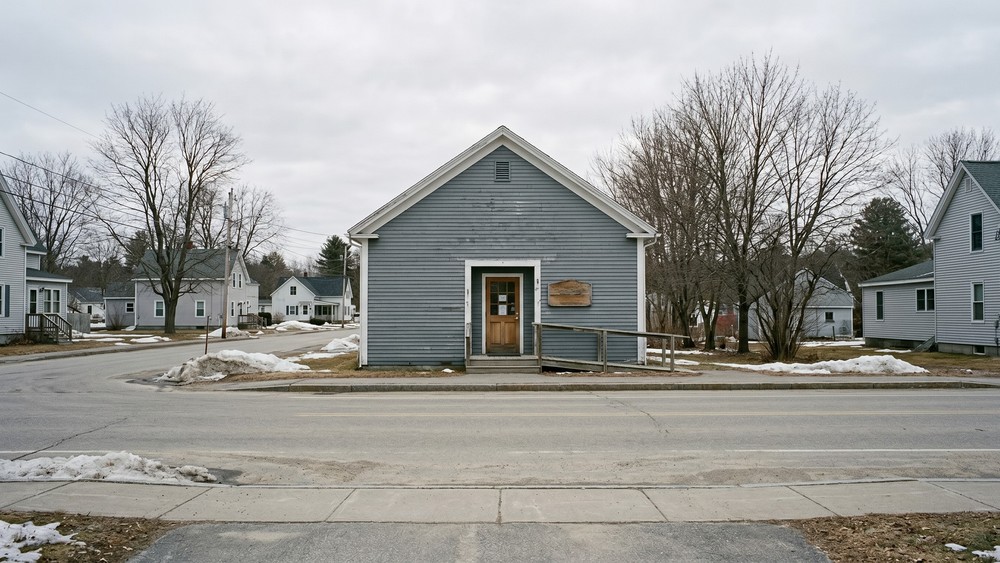
Mental health care without the months-long wait.
No referral required. MaineCare, Medicare, private insurance, and uninsured paths all accepted. Fill out the form and we’ll book your assessment, usually within a business day. You can also call admissions Monday through Friday, 8:00 AM to 4:30 PM.