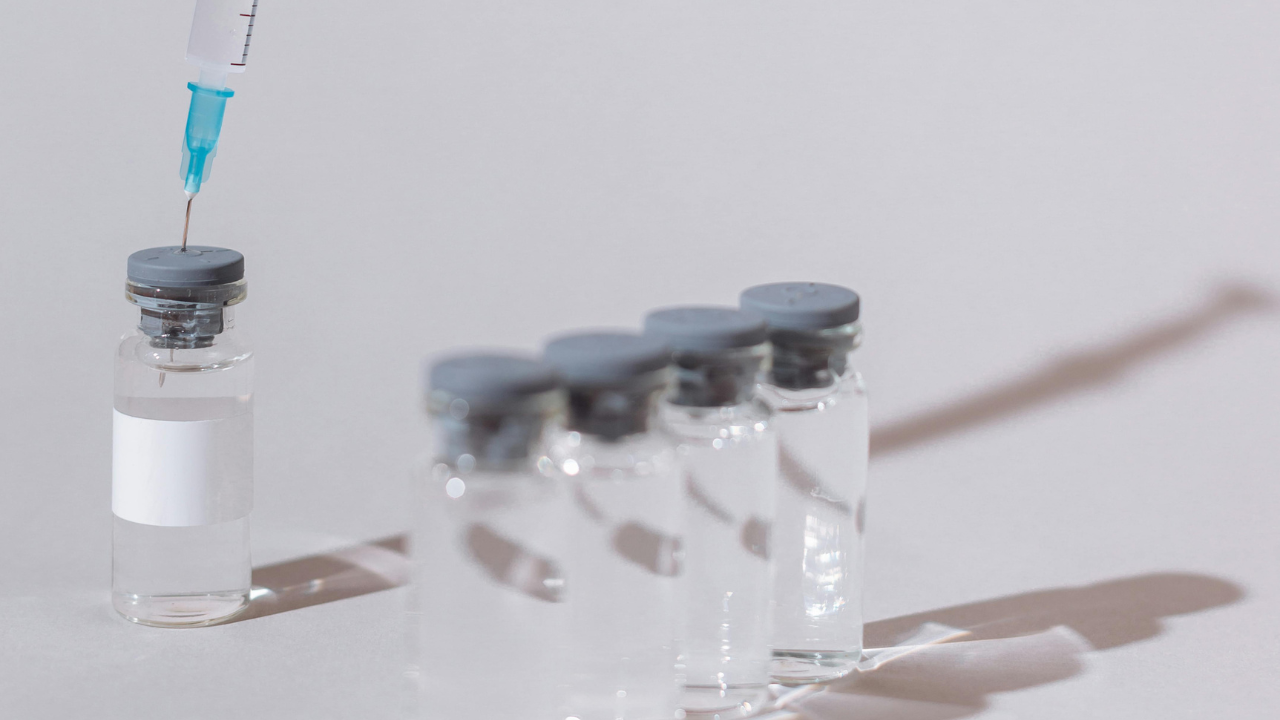
Suboxone and injectable Vivitrol are both medications used to treat opioid use disorder, and they work in opposite ways. Suboxone contains buprenorphine, a partial opioid agonist that eases cravings and withdrawal while blocking the full effect of other opioids, according to the Substance Abuse and Mental Health Services Administration. Vivitrol is a once-monthly injection of naltrexone, an opioid antagonist that blocks opioids entirely but requires you to be opioid-free for 7 to 14 days before the first dose. The right choice depends on where you are in recovery, your medical history, and a provider’s evaluation. At Enso Recovery in Maine, that decision is made with a clinician, not by default.
Key Takeaways
- Suboxone (buprenorphine) can be started while opioids are still in your system and works by easing cravings and withdrawal as a partial agonist.
- Vivitrol (extended-release naltrexone) is a monthly injection that fully blocks opioids, but you must be opioid-free for 7 to 14 days first to avoid precipitated withdrawal.
- Research from the National Institute on Drug Abuse finds both medications can be similarly effective at preventing return to use once treatment is underway.
- Injectable options reduce daily dosing decisions, which is why Enso offers Sublocade and Brixadi (long-acting buprenorphine) alongside Vivitrol.
- There is no single best medication. The fit is determined by a full clinical evaluation and revisited over time.
What Is Suboxone, and How Does It Work?
Suboxone is a brand of buprenorphine combined with naloxone, taken as a film or tablet that dissolves under the tongue. Buprenorphine is a partial opioid agonist, which means it activates the same brain receptors opioids target, but only partially. The Substance Abuse and Mental Health Services Administration notes that this partial activation is enough to quiet cravings and suppress withdrawal without producing the same high, which makes it possible to stabilize and function.
One practical advantage matters for people who are still using: buprenorphine can be started during early withdrawal, while some opioids are still present. Research summarized by the National Institute on Drug Abuse describes buprenorphine as easier to initiate for people actively using opioids, which lowers one of the biggest barriers to getting started. That accessibility is part of why buprenorphine-based treatment is a first-line option in much of opioid use disorder care.
Buprenorphine also has a ceiling effect. Above a certain dose its opioid effects level off, which contributes to its safety profile compared with full agonists. It still carries real risks, including the possibility of precipitated withdrawal if taken too soon after another opioid, so the first dose is timed and supervised by a prescriber.
What Is Injectable Vivitrol, and How Does It Work?
Vivitrol is the brand name for extended-release naltrexone, given as an intramuscular injection once a month. Naltrexone is an opioid antagonist, which means it blocks opioid receptors instead of partially activating them. According to the Substance Abuse and Mental Health Services Administration, that blockade prevents opioids from producing euphoria, which can reduce the incentive to use while the medication is active.
Because naltrexone is a blocker, it cannot be started while opioids are in your system. The Substance Abuse and Mental Health Services Administration and the National Institute on Drug Abuse both note that a person usually needs to be opioid-free for 7 to 10 days before the first dose, and people transitioning off longer-acting opioids may need up to two weeks. Starting too early can trigger sudden, severe withdrawal. This is the main reason Vivitrol tends to suit people who have already completed withdrawal and want a monthly medication with no opioid in it.
The monthly schedule is a meaningful benefit for some people. There is no daily pill to remember and nothing to misplace, which removes a recurring decision point. For people whose recovery is destabilized by daily dosing logistics, that structure can help.
Suboxone vs Vivitrol: How the Two Compare
The honest answer to which medication is better is that it depends on the person. The two medications are built for different starting points, and the research reflects that nuance rather than crowning a winner.
Effectiveness
Once a person is stabilized on either medication, outcomes can be comparable. The National Institute on Drug Abuse reports that naltrexone can be as effective as buprenorphine at helping people avoid a return to use when it is taken consistently over time. The catch is getting started. Because buprenorphine can be initiated while opioids are still present, more people successfully begin treatment with it, while the opioid-free window required before Vivitrol is a hurdle some people do not clear without support.
Starting Point and Timing
Suboxone meets you closer to where you are. It can be started in early withdrawal, often within a day or two of your last use. Vivitrol asks for a clean runway first: 7 to 14 days opioid-free, confirmed by your provider, before that first injection. If you are still using or in active withdrawal, buprenorphine is frequently the more realistic entry point, and some people transition to Vivitrol later if it suits their goals.
Daily Routine
Suboxone is taken every day. For many people that daily ritual is manageable and even grounding. For others, the daily decision is a vulnerability. Vivitrol removes it with one injection a month. Enso also offers long-acting injectable buprenorphine through Sublocade and Brixadi, so the monthly or weekly injection format is available without giving up buprenorphine’s easier start. You can read more on our long-acting injectable treatment page.
Medical Considerations
Each medication interacts differently with the rest of your health. Buprenorphine is an opioid, so it must be coordinated carefully with other prescriptions and is timed to avoid precipitated withdrawal. Naltrexone is not an opioid, but because it blocks opioid receptors it can complicate pain management and is not started until the body is clear of opioids. Liver health, pregnancy, co-occurring conditions, and prior treatment history all factor in. This is why the choice belongs in a clinical conversation rather than a search result.
How a Provider Decides Which MAT Option Fits
At Enso Recovery, medication is one clinician-determined part of a treatment plan, not a box you check on intake. The decision starts with a full clinical evaluation that looks at your substance use history, how recently you used, your physical and mental health, prior experience with medications, and what you want recovery to look like. Medication-assisted treatment works best alongside therapy and support, which is why our medication-assisted treatment program pairs prescribing with individual and group care.
That plan is not fixed forever. People move between options as their situation changes. Someone might start on buprenorphine to get stable, then move to a monthly injectable once they are steady. Someone who completes withdrawal in another setting might begin with Vivitrol. The point is that the medication serves the person, and the plan is revisited as recovery progresses. Harm reduction, here, means meeting you where you are and building from there.
Medication-Assisted Treatment at Enso Recovery in Maine
Enso Recovery operates outpatient centers in Augusta and Sanford, serving Kennebec County, York County, and the surrounding Maine communities. We offer buprenorphine-based treatment, including Suboxone and Subutex, along with the long-acting injectables Sublocade, Brixadi, and Vivitrol. We do not dispense methadone and do not provide on-site detox. Our focus is outpatient medication-assisted treatment paired with counseling and case management.
We accept MaineCare, Medicare, and most major insurance plans, and we verify your coverage on the first call so there are no billing surprises. For people without insurance, options such as Opioid Health Homes funding, State Targeted Response grant funding, and a sliding fee scale can help. If you are weighing Suboxone, Vivitrol, or an injectable buprenorphine option, the next step is a conversation with a provider who can match the medication to your situation. You can reach our team at (207) 245-1800 or get started with an evaluation.
Frequently Asked Questions
Is Suboxone or Vivitrol Better for Opioid Use Disorder?
Neither is universally better; the right fit depends on your situation. The National Institute on Drug Abuse reports that both can be similarly effective when taken consistently. Suboxone is easier to start for people still using opioids, while Vivitrol suits people who have already completed withdrawal and want a monthly injection. A clinical evaluation determines the best fit.
How Long Do You Have to Be Opioid-Free Before Starting Vivitrol?
Most people need to be opioid-free for 7 to 10 days before the first Vivitrol injection, and up to 14 days when coming off longer-acting opioids. According to the Substance Abuse and Mental Health Services Administration, starting too early can trigger sudden, severe withdrawal because naltrexone blocks opioid receptors. Your provider confirms timing before the injection.
Can You Switch From Suboxone to Vivitrol?
Yes, switching is possible, but it requires a transition period. Because Vivitrol cannot be started while buprenorphine is active, you taper off Suboxone and complete an opioid-free window of up to two weeks before the first injection, as noted by the Substance Abuse and Mental Health Services Administration. A provider supervises this transition to reduce the risk of precipitated withdrawal.
Does Suboxone Get You High?
For most people taking it as prescribed, Suboxone does not produce a high. Buprenorphine is a partial opioid agonist with a ceiling effect, so its opioid activity levels off and is intended to relieve cravings and withdrawal rather than cause euphoria, according to the Substance Abuse and Mental Health Services Administration. It stabilizes people so they can engage in recovery.
What Is the Difference Between Vivitrol and Sublocade?
Both are monthly injections, but they contain different medications. Vivitrol is extended-release naltrexone, an opioid blocker that requires being opioid-free first. Sublocade is extended-release buprenorphine, a partial agonist that eases cravings and can be started without a long opioid-free window. Enso offers both, along with Brixadi, through our injectable treatment program.
Is Medication-Assisted Treatment Just Replacing One Drug With Another?
No. Medication-assisted treatment uses regulated, prescribed medication to stabilize brain chemistry, reduce cravings, and lower overdose risk, which is different from continued substance use. The National Institute on Drug Abuse recognizes these medications as evidence-based treatment for opioid use disorder, most effective when combined with counseling and support.
Does MaineCare Cover Suboxone and Vivitrol?
Yes. Enso Recovery accepts MaineCare, Medicare, and most major insurance plans, and coverage commonly includes both buprenorphine-based medications and long-acting injectables. We verify your specific coverage on the first call. If you are uninsured, funding options and a sliding fee scale may apply.
Crisis and Emergency Resources
If you or someone you know is in a substance use or mental health crisis, help is available now. Contact the SAMHSA National Helpline at 1-800-662-HELP (4357) for free, confidential treatment referrals 24/7. Reach the 988 Suicide and Crisis Lifeline by calling or texting 988. The Crisis Text Line is available by texting HOME to 741741. For emergencies, call 911.
Learn More
The sources below offer further reading on the medications discussed here. The National Institute on Drug Abuse compares the effectiveness of medications for opioid use disorder. The Substance Abuse and Mental Health Services Administration explains buprenorphine and naltrexone as treatment options. This article is for general information and is not medical advice. Decisions about medication-assisted treatment should be made with a qualified medical provider.