For many people in recovery, a Maine winter can feel like one more thing to get through. The days get short, the roads get icy, and it’s easy to end up inside and alone for weeks at a stretch. That’s worth taking seriously, because isolation and low mood are real risks in early recovery. The good news is that the season also opens up ways to stay active, stay connected, and build new routines that support staying sober.
The Winter Wellness Connection
Physical activity and recovery go together, and that matters even more during Maine’s long winter. When daylight drops off, some people develop seasonal affective disorder, a form of depression that tends to start in late fall and lift in spring. According to the National Institute of Mental Health, common signs include fatigue, oversleeping, social withdrawal, and feelings of hopelessness. Those same feelings can pull at recovery, so staying engaged with your body and your community through the cold months is a practical safeguard.
Getting outside and moving helps on both fronts. A systematic review published in Frontiers in Psychiatry found that regular exercise can reduce cravings and improve mood and quality of life for people with substance use disorders. Winter activities give you a fresh way to earn those benefits and build a healthier relationship with a season that may have felt like a trigger before.
Local Winter Adventures
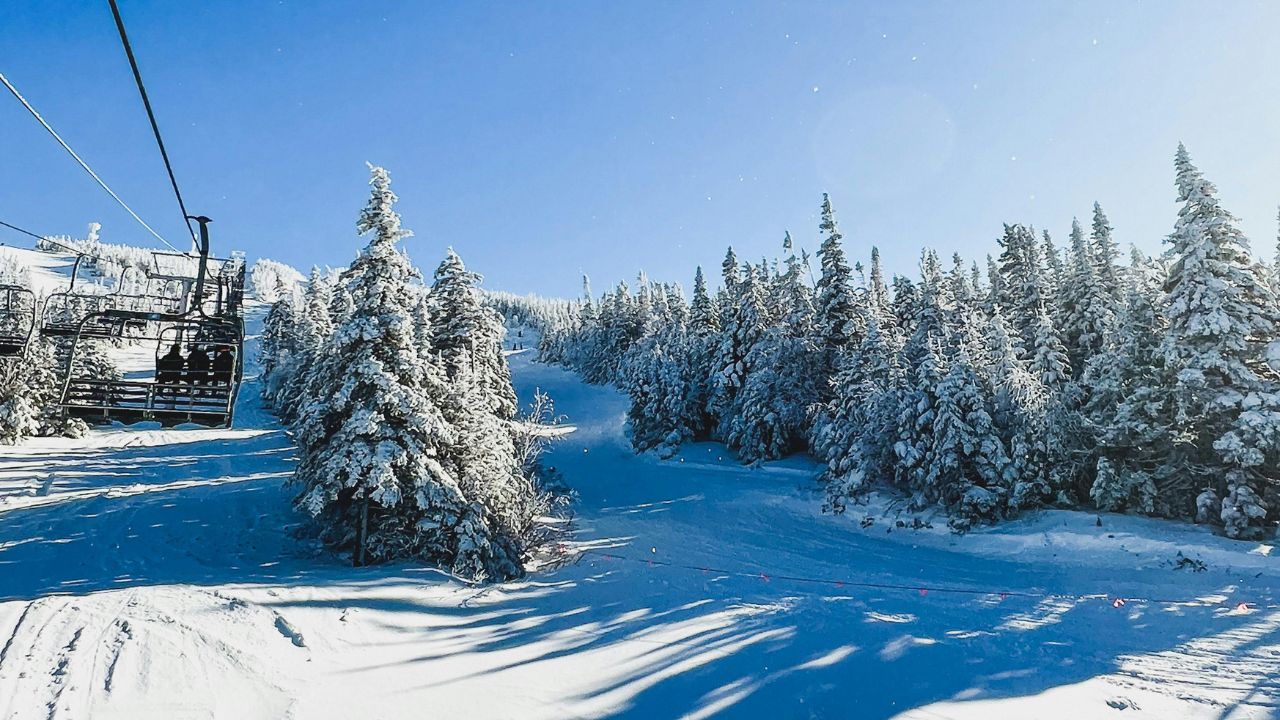
The Augusta and Sanford areas both offer plenty of winter recreation. Lost Valley Ski Area in Auburn, about 40 minutes from our Augusta location, is known as a learn-to-ski mountain with beginner-friendly terrain, so it’s a reasonable place to try skiing or snowboarding for the first time. Closer in, the Kennebec River Rail Trail gives you a flat, groomed path for winter walking or cross-country skiing, and Augusta’s Mill Park is an easy spot for a snowy afternoon outdoors.
Down in Sanford, Gowen Park offers open grounds and trails for winter recreation. The Mousam Way Trail network runs nearby with scenic routes for winter hiking, and local conservation areas make quiet settings for snowshoeing, photography, or just watching the woods in winter.
Beyond the Physical Benefits
Winter activity does more than get your heart rate up. Time spent outdoors in the cold can:
- Release endorphins that steady your mood
- Give you a healthy source of energy and challenge
- Create room for mindfulness through slower activities like snowshoeing or photography
- Build confidence as you pick up a new skill
- Get you into daylight, which NIMH links to easing seasonal mood changes
Winter sports also tend to happen in groups, from a lesson to a trail outing, so they build the kind of social connection that helps recovery hold up over time.
Making Winter Activities Accessible
Starting something new in the cold can feel daunting, and there are affordable ways in. Local recreation departments often run reduced-cost programs and rent out gear. Plenty of outdoor stores rent seasonal equipment too, so you can try an activity before you spend real money on it.
Several Maine organizations run beginner-friendly introductions to winter sports, sometimes with free or low-cost lessons in the basics. Community centers and libraries can point you toward local activity groups and other resources.
Building Your Winter Activity Plan
Winter activity works a lot like recovery itself. It goes better with a plan and some support behind it. A few strategies help.
Start with something simple like winter walking or snowshoeing, which need little gear or technique. As your confidence grows, you can work up to more demanding activities.
Look for community groups that run winter outings. They offer instruction and peer support at the same time, and a regular meetup can anchor your week while connecting you with people who take sober living as seriously as you do.
Keep an indoor backup for storm days. Climbing gyms, community centers, and pools let you keep moving when the weather turns, which keeps isolation from creeping back in.
Safety and Preparation
A little preparation keeps winter outings safe:
- Check the weather before you head out
- Dress in layers you can add or shed as you go
- Start with short outings and build up
- Bring water and a snack for energy
- Tell someone your plan and when you expect to be back
- Consider a basic winter safety course before you go far
Community Connections
Winter activity in recovery is about community as much as it’s about fitness. Local groups host sober sports meetups and family-friendly winter events. Community centers and recovery groups often organize indoor gatherings through the coldest months, so there’s a way to stay connected even when the weather keeps everyone inside. If you live in one of our recovery residences, that built-in community can make it easier to get a group together and get out the door.
Embracing the Season
A Maine winter can be a chance to strengthen your recovery. Getting active in the snow lets you build new skills and meet people who understand what you’re working through, even in a season that used to feel heavy.
At Enso Recovery, we know Maine winters cut both ways. We don’t run ski trips ourselves, but we can help you find local resources and build a plan that keeps your recovery steady through the season. Our team offers medication-assisted treatment and outpatient care, and your counselor can fold seasonal wellness into that plan. We serve clients statewide from our Augusta and Sanford clinics.
Ready to take the next step? Enso Recovery provides outpatient and medication-assisted treatment across Maine, with locations in Augusta and Sanford. Get started with our team to talk through your options and verify your coverage, or call (207) 245-1800.
Crisis and Emergency Resources
If you or someone you know is in a substance use or mental health crisis, help is available now. Contact the SAMHSA National Helpline at 1-800-662-HELP (4357) for free, confidential treatment referrals 24/7. Reach the 988 Suicide and Crisis Lifeline by calling or texting 988. The Crisis Text Line is available by texting HOME to 741741. For emergencies, call 911.